ORIGINS
Leaves on a pole
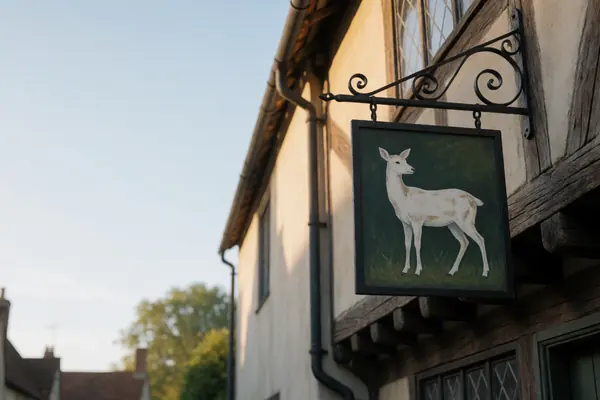
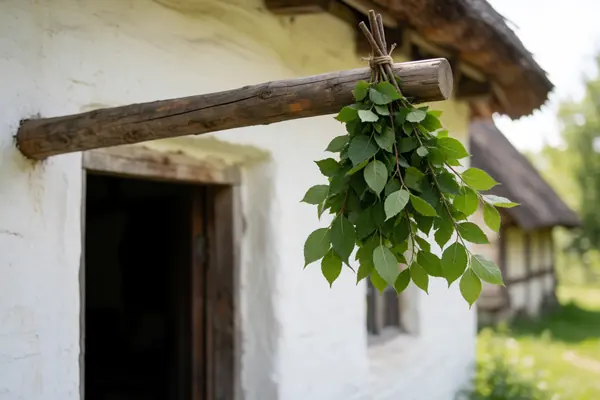
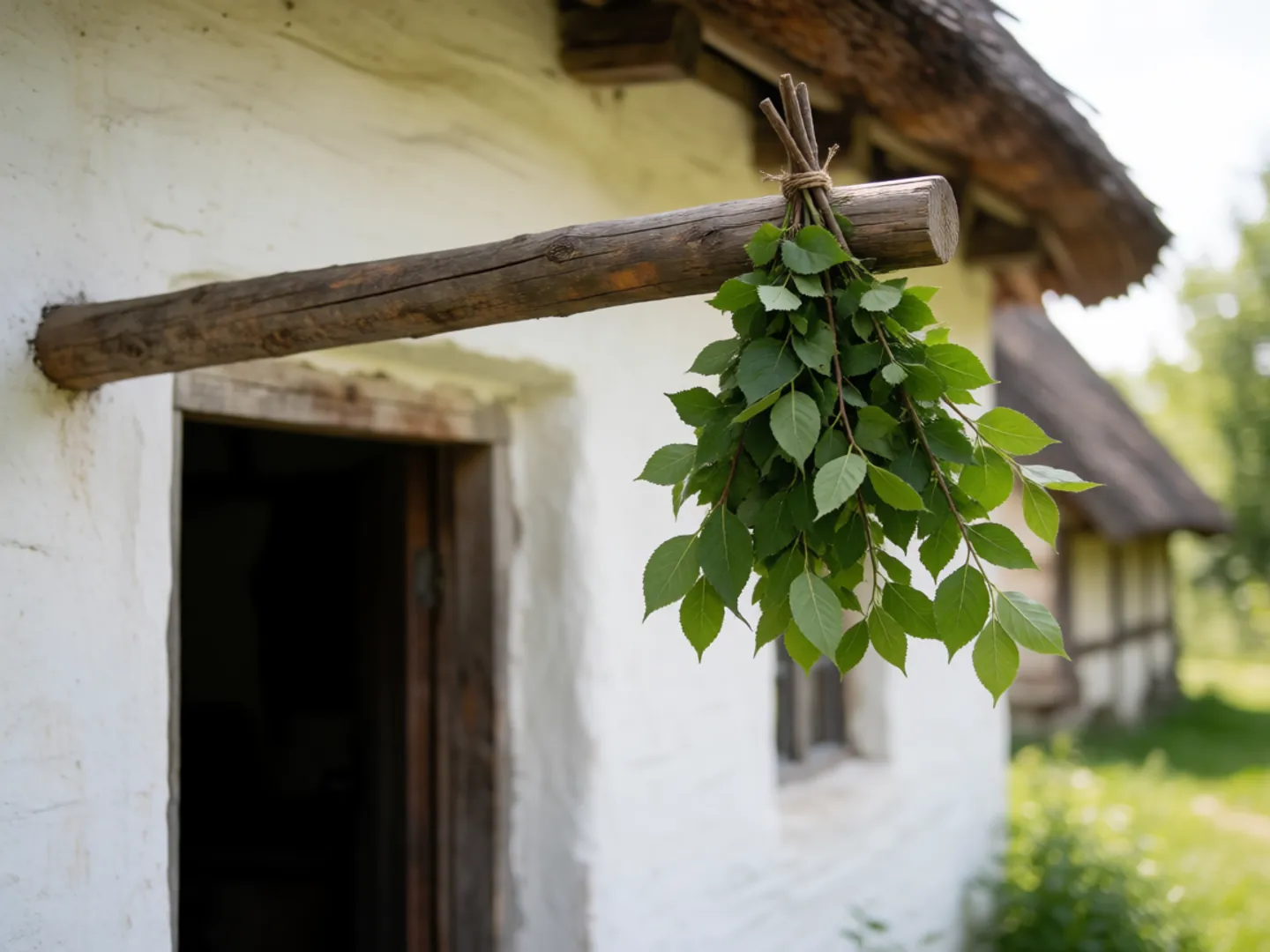
A pole above the door, garlanded with foliage, marked a medieval alehouse. From the 14th century inns and taverns hung out pictorial signs.
Read a sign doodlepub
A HISTORY IN PICTURES
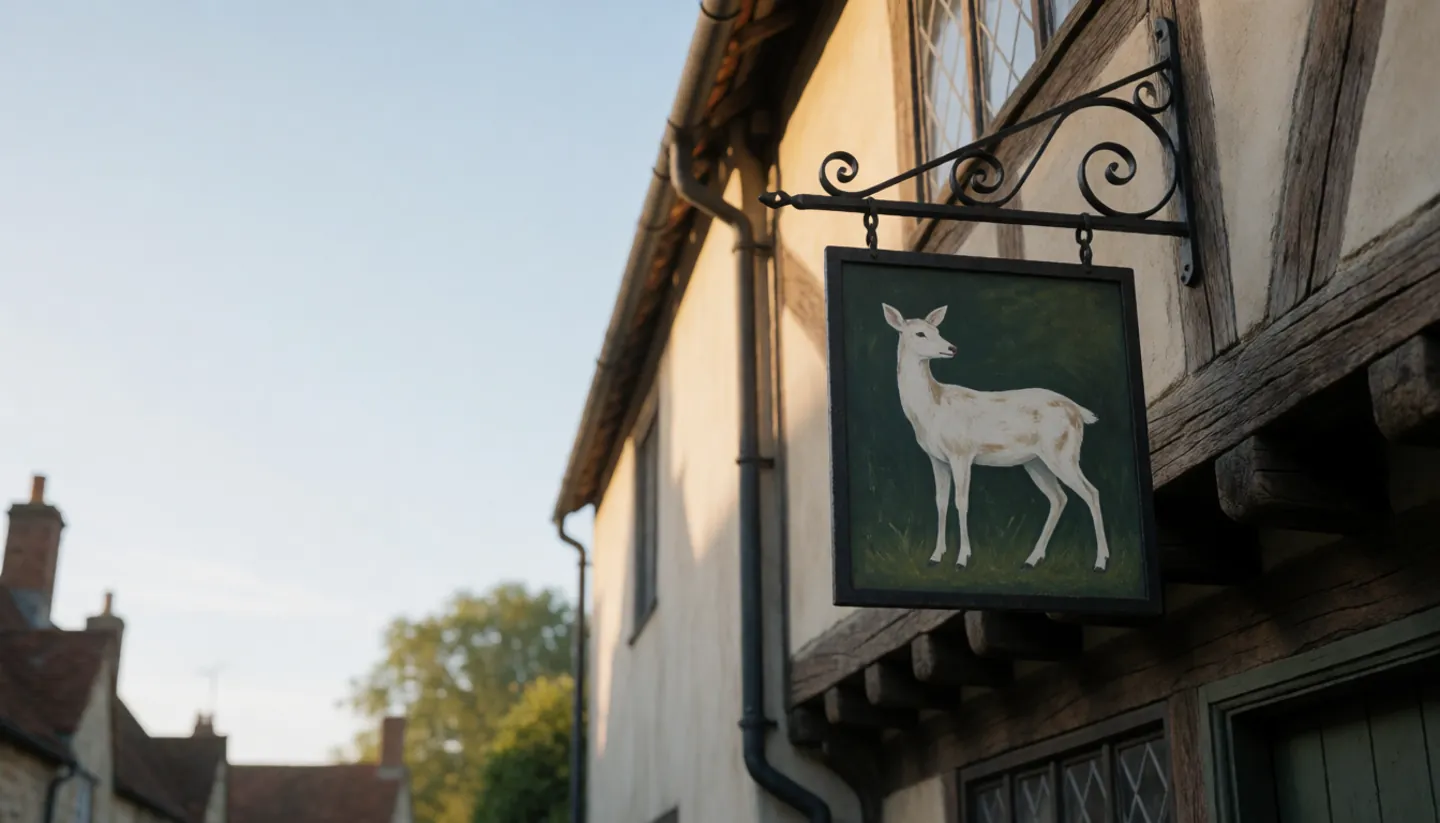
Long before most people could read, a painted board told you where you were.
Pub signs grew out of medieval alehouse poles and a law of 1393. This independent guide looks at the signs as history and folk art: where the commonest names came from and how old some of them are.
1393 the year signs became obligatory
Read a signTHE SHORT ANSWER
From leafy poles to painted boards,
signs did the job that words do today.
ORIGINS
A pole above the door, garlanded with foliage, marked a medieval alehouse. From the 14th century inns and taverns hung out pictorial signs.
Read a signTHE LAW
A 1393 law made signs obligatory. Because most people could not read, the picture gave the place its name, not the other way round.
See the numbersTHE ART
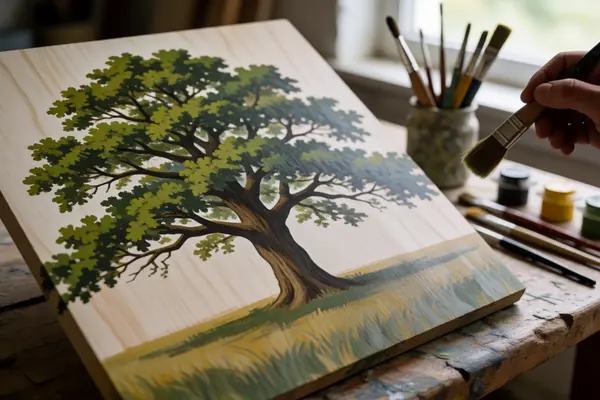
A sign can be a painting, wrought iron, a 3D model or the object itself, such as a real ship's wheel by the sea.
Spot them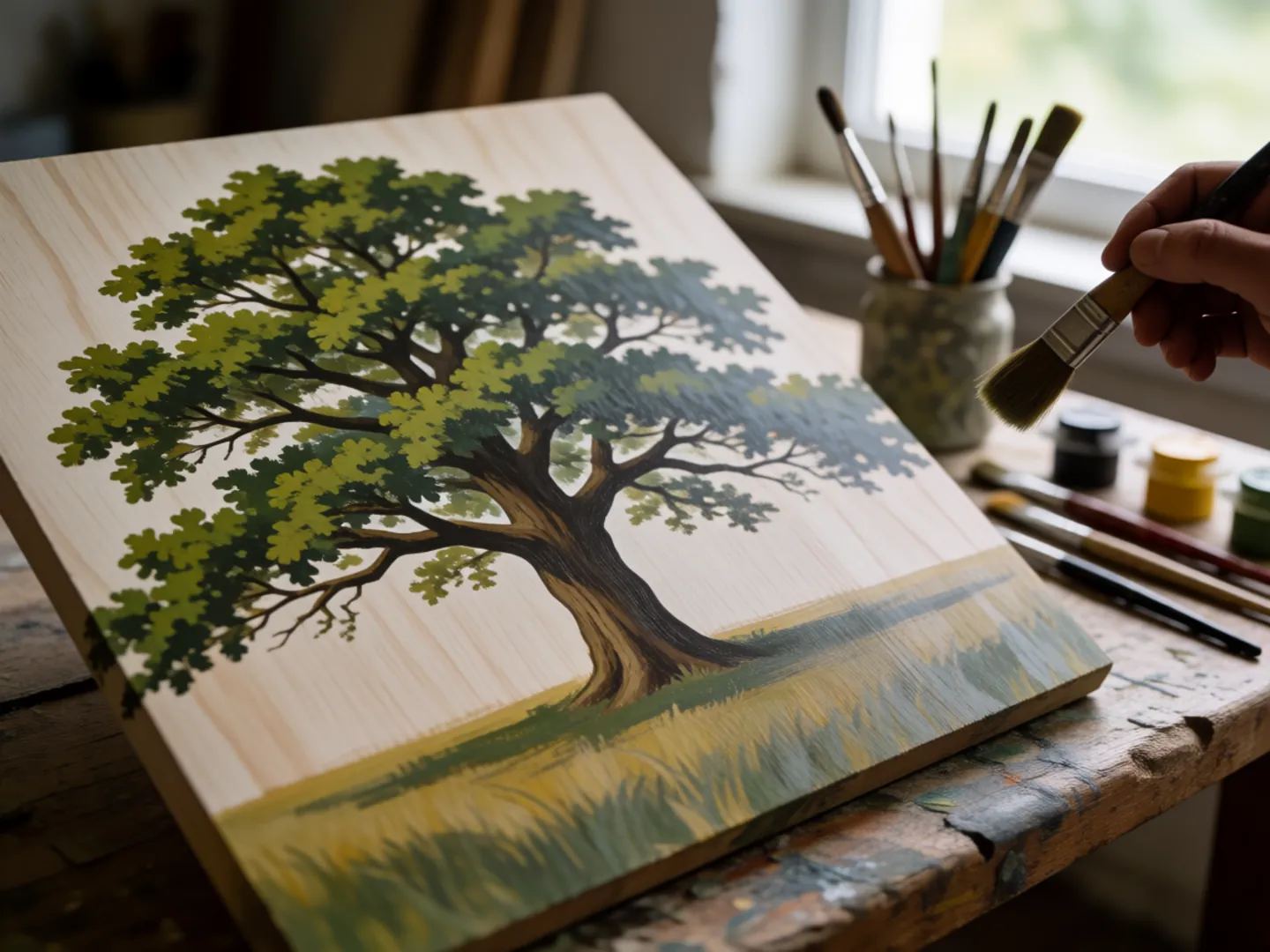
FOUR THINGS TO LOOK FOR
You do not need to go inside to enjoy a pub sign. These are things to look for from the pavement, on a town walk or a village visit.
Lions, harts, swans and crowns often come from medieval coats of arms and royal badges.
Sign painters liked groups of three, a number that fits neatly into a small board.
Names like the Willow Tree, the Bridge or the Fox often point to local places and wildlife.
Forged iron brackets and carved or 3D signs are part of the craft, as much as the painting.
TWO NUMBERS WORTH KNOWING
One date for when signs became law,
one figure for how many pubs there were.
1393
Year signs were made obligatory
Under Richard II, a law required ale-sellers to hang a sign. It helped officials identify premises, and pictures served people who could not read.
THE LAW · 1393
50,000+
Pubs in Britain at the start of the 21st century
The Wordsworth Dictionary of Pub Names, as cited by the World History Encyclopedia, counts the Red Lion, Crown and Royal Oak as the three most common names.
PUB NUMBERS · c.2000
When Georgian towns restricted hanging signs, licensed premises were exempt, which is one reason pubs kept their boards when other shops took theirs down.
READ A SIGN
Pick a common sign to see where the picture comes from. The bar shows how far back the name reaches: the longer the bar, the older the name.
Dates and stories from the World History Encyclopedia's guide to British pub names. Local stories vary, so treat any single explanation with care.
SIGNS AS HERITAGE
Many old pubs are listed by Historic England or locally listed by councils. Nottinghamshire's Historic Environment Record alone holds more than 200 public houses.
Building historians warn that romantic legends gather around inns: ghosts, highwaymen, royal visits and tunnels. Their advice is to believe nothing that cannot be backed by primary sources.
Questions
From the late Middle Ages to the mid-19th century most people could not read, so a recognisable picture identified the place. A law of 1393 made signs obligatory.
Building historians describe a pole above the door garlanded with foliage. From the 14th century inns and taverns hung out pictorial signs, and many alehouses followed in the 16th century.
The Red Lion. The World History Encyclopedia, citing the Wordsworth Dictionary of Pub Names, puts the Red Lion, Crown and Royal Oak at the top.
It is a heraldic device first worn by John of Gaunt in the 14th century. The red lion also represented Scotland and was widely used from the reign of James I.
Licensed premises were exempt from the Georgian restrictions on hanging signs, so the tradition carried on for pubs.
Updated
ABOUT THIS NAME
doodlepub.com is part of the DoodleSale portfolio. It isn't in an auction right now, but you can ask about leasing it.